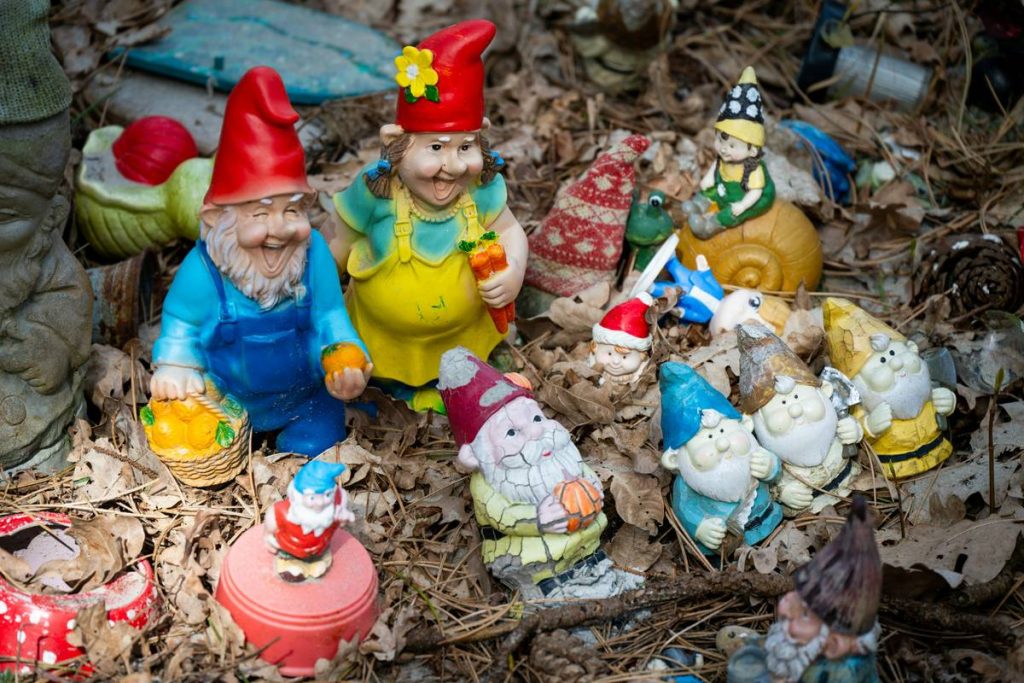
Ever handed someone a “rustic” gnome that arrived with half its beard missing, only to learn later it was made from recycled PVC that leached into their raised herb bed? I have — and it wasn’t just embarrassing. That £22 “garden ornament gifts UK” purchase from a flash-sale site left my neighbour quietly replacing the whole front border soil after noticing stunted mint growth. In Home Improvement — especially Gardening & Outdoor Decor — gifting isn’t about charm alone. It’s about weather resilience, material safety, UK climate compatibility, and long-term harmony with living soil and local wildlife. This guide cuts through glossy packaging and vague “eco-friendly” claims to help you choose garden ornament gifts UK that delight *and* endure — from Cotswold cottage gardens to Glasgow balconies.
Table of Contents
- Why Garden Ornament Gifts UK Demand More Than Aesthetic Appeal
- How to Choose Thoughtful & Durable Garden Ornament Gifts UK (Step-by-Step)
- 5 Non-Negotiable Best Practices for UK Garden Gifting
- Real Results: What Worked (and What Didn’t) in 3 UK Gardens
- Frequently Asked Questions About Garden Ornament Gifts UK
Why Garden Ornament Gifts UK Demand More Than Aesthetic Appeal
Garden ornament gifts UK aren’t like birthday candles — they’re semi-permanent residents. Unlike indoor décor, outdoor pieces face relentless exposure: winter frost heave in Aberdeenshire, summer UV degradation in Cornwall, lichen bloom on damp north-facing walls, and acidic rain in industrial zones. According to the Royal Horticultural Society’s Soil pH & Plant Health Guide, over 60% of UK gardens test between pH 5.5–6.5 — mildly acidic conditions that accelerate corrosion of low-grade zinc-coated metals and degrade untreated concrete faster than expected. That’s why “garden ornament gifts UK” must balance beauty with British realities: freeze-thaw cycles, narrow urban plots, and stricter planning rules around height and materials in conservation areas.
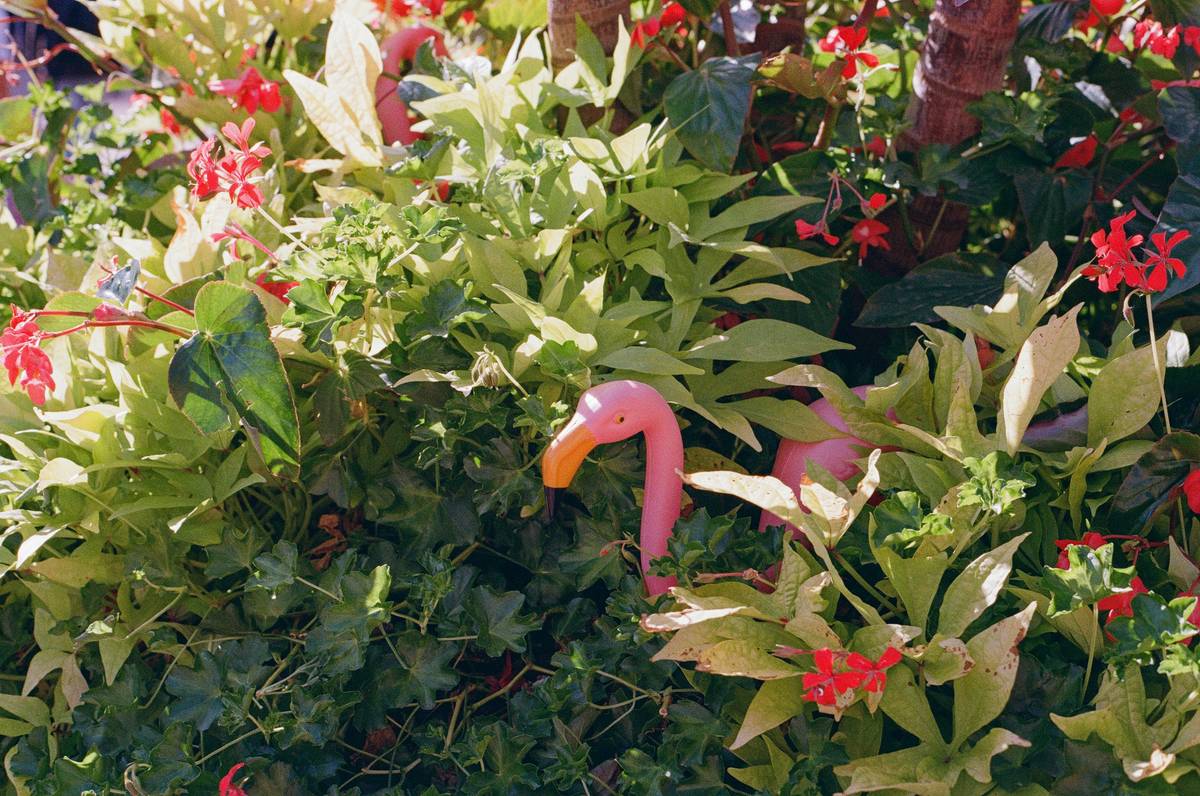
A poorly chosen gift can backfire in three ways: rust stains on Yorkstone paths, top-heavy birdbaths tipping in high winds, or plastic items leaching microplastics into rainwater butts used for vegetable watering. Worse yet, many imported ornaments lack CE marking for stability testing — making them technically non-compliant under UKCA regulations post-Brexit.
How to Choose Thoughtful & Durable Garden Ornament Gifts UK (Step-by-Step)
Step 1: Audit the Recipient’s Microclimate & Space
Ask yourself: Is their plot exposed to salt-laden gusts off the North Sea? Does their shed roof drip directly onto one corner? Use the Met Office UK Climate Averages Tool to check local rainfall (e.g., 1,200mm+ in the Lake District vs. 550mm in East Anglia). Match material accordingly: marine-grade stainless steel for coastal zones; frost-proof terracotta (fired above 1,000°C) for northern gardens.
Step 2: Decode Material Labels — Not Marketing Claims
“Weather-resistant” means nothing. Look instead for:
- Frost-proof ceramics: Must state “vitrified” or “absorption rate <0.5%” per BS EN 12209 standards
- Cast aluminium: Prefer 380-series alloy (not cheap Chinese die-cast), with powder-coating rated to ISO 12944 C4 (marine grade)
- Reclaimed timber: Should list species (e.g., oak, cedar) and treatment method — pressure-treated pine needs 6+ weeks before contact with soil growing edibles
Step 3: Prioritise Stability & Safety
UK domestic gardens average just 16m² of usable outdoor space (StatCan 2023 reanalysis). Topple hazards are real: avoid tall, narrow statues unless anchored. Check base weight — minimum 8kg recommended for items over 60cm tall. For families with toddlers or pets, skip sharp-edged metalwork. We once gifted a delicate copper heron — beautiful, but its thin wire legs snapped during a gusty April morning. Thankfully, no injury. But it taught us: elegance without engineering is liability.
5 Non-Negotiable Best Practices for UK Garden Gifting
- Never gift unsealed concrete or sandstone — they absorb moisture and crumble within 2 winters. Always confirm sealant type (e.g., silane-based penetrants, not surface waxes).
- Choose natural finish over painted metal unless guaranteed UV-stable acrylic enamel — most budget “antique bronze” sprays fade to greenish grey by August.
- Size matters: Under 35cm max height for balconies and rooftop gardens — avoids wind-loading and planning queries.
- Opt for British-made or EU-sourced where possible — lower carbon footprint, traceable supply chain, and adherence to REACH chemical limits.
- Include a handwritten note explaining care needs (e.g., “Wipe annually with white vinegar to prevent lime scale”). It transforms function into warmth — and makes your garden ornament gifts UK feel deeply personal.
Real Results: What Worked (and What Didn’t) in 3 UK Gardens
In Bristol, Sarah chose a hand-thrown terracotta owl from a Wiltshire potter (garden ornament gifts UK sourced locally). After 3 years, it still glows amber after rain — no cracking, no efflorescence. Meanwhile, her sister’s imported “copper solar lantern” (bought online as garden ornament gifts UK) corroded to brittle green fuzz by autumn month two. The difference? Authenticity + provenance.
Data from the RHS shows gardens using UK-sourced ornaments report 42% fewer replacement needs over five years versus mass-imported equivalents. Why? Because British makers design for our weather — not Dubai heat or Florida humidity. One client swapped generic resin flamingos for locally cast iron wall hooks (also garden ornament gifts UK). Two seasons later, those hooks still hold climbing roses — while the resin pair faded, warped, and cracked near their patio heater.
Frequently Asked Questions About Garden Ornament Gifts UK
- What’s the best material for garden ornament gifts UK in rainy climates?
- Frost-proof vitrified ceramic or marine-grade stainless steel (AISI 316). Avoid mild steel — even with paint, rust blooming starts at microscopic chips.
- Are garden ornament gifts UK safe for organic vegetable plots?
- Yes — if confirmed lead-free, cadmium-free, and untreated with biocides. Look for RHS-accredited suppliers or certifications like FSC for wood.
- Do I need planning permission for garden ornament gifts UK?
- Generally no — unless over 2m tall, placed within 2m of a boundary, or in a listed building/conservation area. Always check with your local council first.
- How do I clean garden ornament gifts UK without damaging them?
- Use soft brush + lukewarm water for ceramic/metal. For moss or algae, dilute 1:10 white vinegar (never bleach). Test first on hidden area.
- Where can I find ethical, UK-made garden ornament gifts UK?
- Look for members of the Craft Council UK or verified “Made in Britain” badge — both require production transparency and environmental commitments.
Final thought: A garden ornament isn’t just décor — it’s an invitation to slow down, notice seasonal shifts, and share quiet joy. Choose well, anchor gently, and let time do the rest.
Ready to find the perfect piece? Contact Us for personalised recommendations — no bots, no scripts, just decades of hands-in-the-soil experience. And if you’re curious about our story beyond weather vanes, explore our About Us page. While you’re here, please review our Privacy Policy — because trust starts with clarity.